Hey there,
We read a lot of wellness reports so you don't have to — and this month, a few themes kept showing up everywhere. Here's what's actually worth paying attention to (and what's just noise):
1. "Neurowellness" is having a moment
Nervous system regulation is being called the biggest wellness trend of 2026 , moving from a niche concept into the top spot in trend forecasts, with the idea being that stress and resilience patterns can be objectively measured and retrained in real time. Translation: it's not just "meditate more" anymore — it's breathwork, HRV tracking, and cold exposure being used with actual intention, not just vibes.
2. Food as medicine, for real this time
Functional nutrition is redefining food as preventative medicine, with adaptogens, probiotics, and protein-fortified foods showing up as everyday staples rather than health-store novelties. If you've noticed protein and gut-health claims on everything from chips to coffee creamer lately — that's not an accident.
3. Backlash against over-optimization
Interesting shift here: after years of hyper-optimized, tech-heavy wellness (wearables, biohacking, endless diagnostics), 2026 is seeing a real pushback in favor of pleasure, joy, and simpler, more human approaches to health. Basically — permission to stop tracking everything and just enjoy your workout again.
4. Women's health is finally getting its own lane
Longevity research is shifting focus toward women's healthspan specifically — moving past just managing menopause symptoms and toward addressing the aging process itself at every life stage. Long overdue, and we expect to see a lot more product and research investment here through the rest of the year.
5. Zone 2 training keeps winning
On the fitness side, low-intensity Zone 2 cardio is being emphasized for improving mitochondrial health and fat metabolism, alongside VO₂ max training for cardiovascular capacity — training that's measurable and health-focused rather than punishing. If your cardio routine still feels like punishment, that's the sign to slow down, not speed up.
The bottom line: the biggest shift this year isn't a new supplement or gadget — it's a mindset change. Less "optimize everything," more "build habits that actually last." That's been our philosophy from day one, and it's nice to see the rest of the industry catching up.
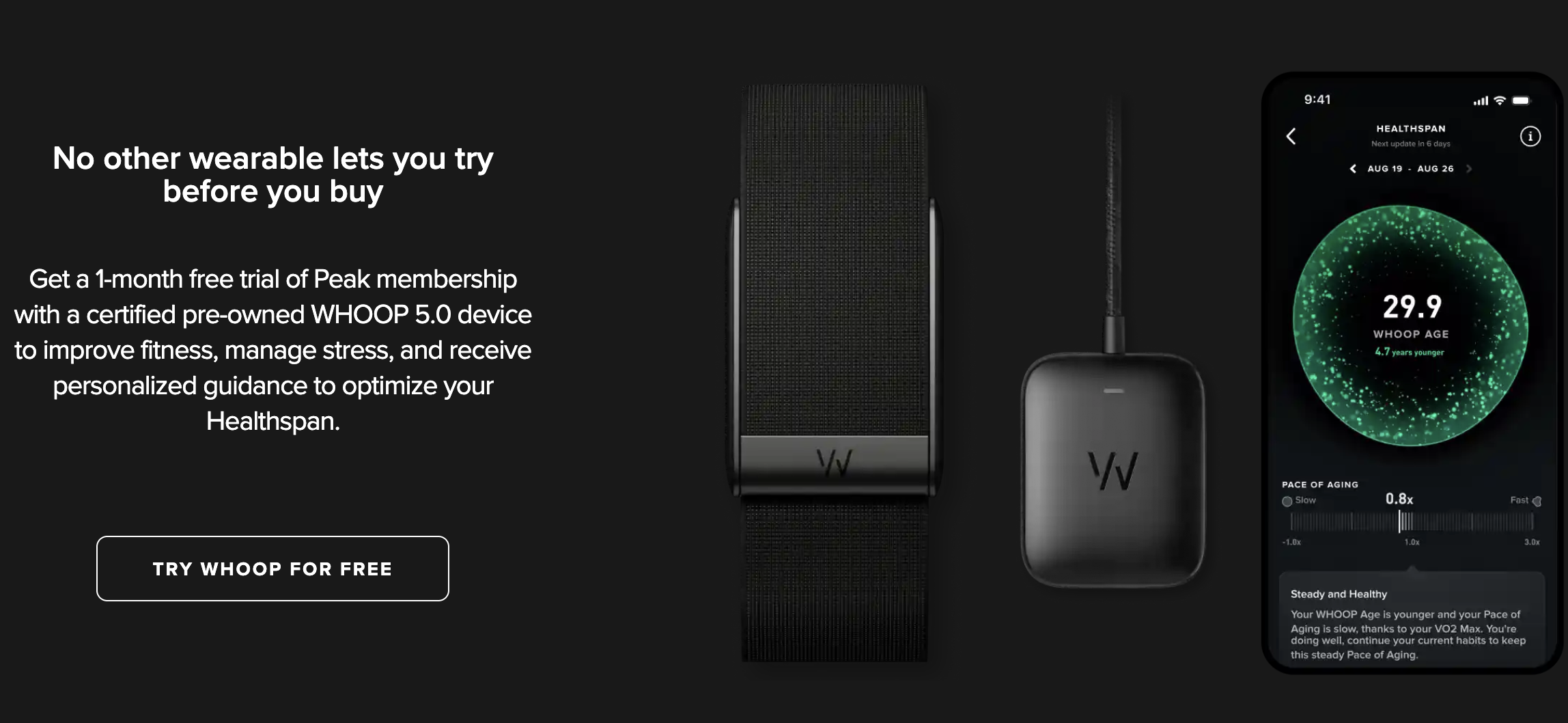
If you want to actually track any of this — nervous system recovery, sleep quality, strain vs. rest balance — the tool we keep coming back to is the WHOOP. No screen, no dashboard obsession, just a strap that quietly tells you when to push and when to back off. It's basically built for exactly the kind of "measured, not punishing" approach we talked about above.


Comments
Post a Comment